Blue light and sleep: what the research actually says
Melatonin, circadian rhythm, and evening screen exposure — separating the solid science from the marketing hype.
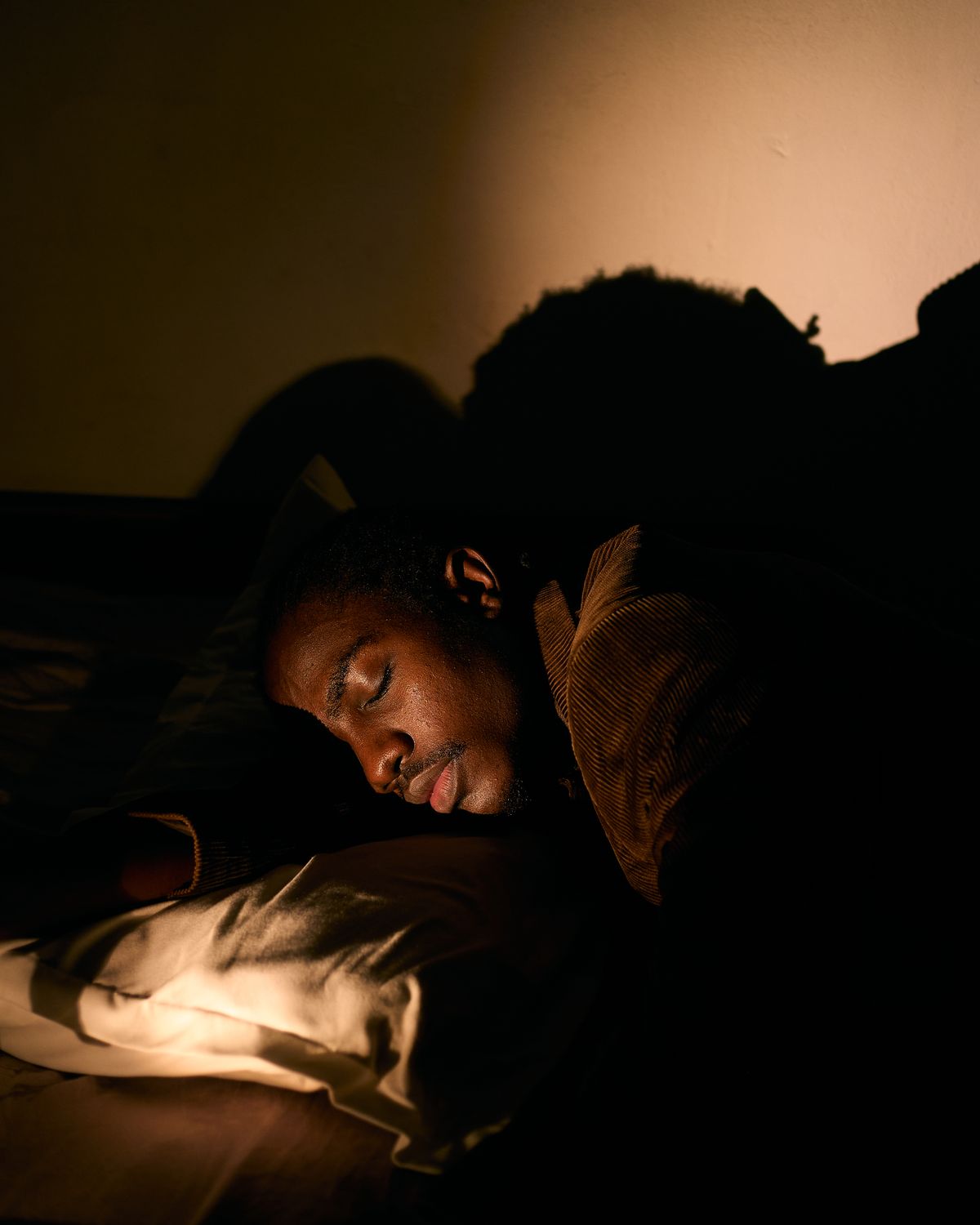
Evening light exposure is one of the strongest cues for the body clock.
The short version
Bright, blue-enriched light in the evening can suppress melatonin and push your circadian clock later, making it harder to fall asleep on time. That part is well supported. How large the effect is for any one person depends heavily on intensity, timing, and duration.
What's solid
Your eyes contain light-sensitive cells (ipRGCs) driven by a pigment called melanopsin that peaks in sensitivity around 480nm — squarely in the blue range. These cells feed the brain's master clock, which is why evening light matters more than time of day alone.
Controlled studies consistently show that bright evening light delays melatonin onset relative to dim light.
What's overhyped
A phone screen is far dimmer than daylight, so blanket claims that screens "destroy" sleep overstate it. Total light level and how close to bedtime you're exposed usually matter more than the blue wavelength in isolation.
Individual sensitivity varies a lot, too — some people shift easily, others barely.
Practical takeaways
In the last couple of hours before bed, do two things: dim your displays and warm their color temperature. Lowering intensity and cutting blue together beats either one alone.
And be consistent across every screen you look at — a warm laptop next to a cold external monitor undoes half the benefit. That's the gap Nightwarm is built to close.