Kelvin, warmth, and your screen: color temperature explained
What 6500K, 4000K, and 1900K actually mean — and which one your eyes want after sunset.
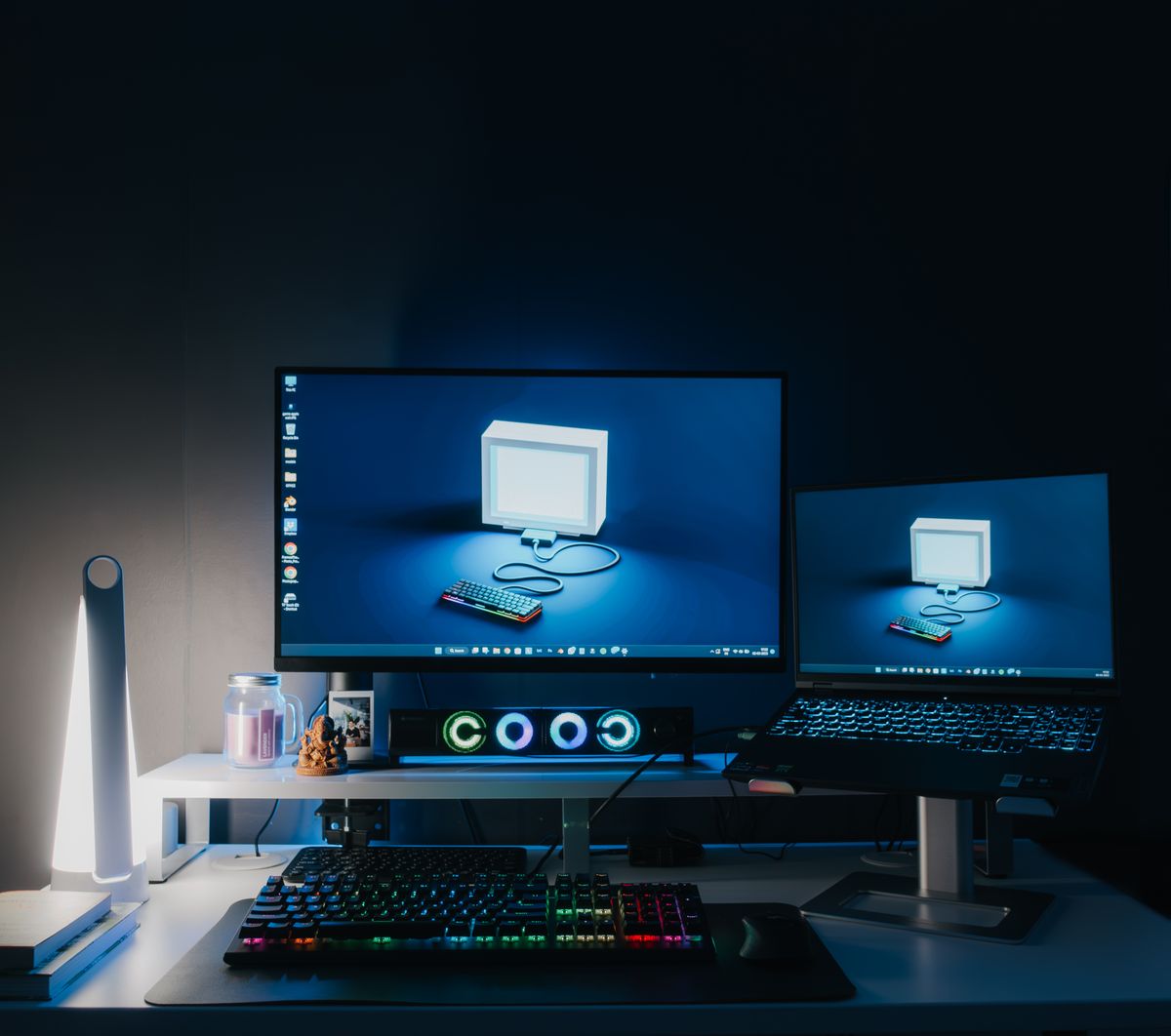
Lower Kelvin looks warmer and more orange; higher looks cooler and bluer.
What Kelvin measures
Color temperature is measured in kelvin (K). Counterintuitively, lower numbers look warmer — candlelight sits around 1900K and glows orange, while an overcast midday sky reads near 6500K and looks crisp and blue.
Screens borrow the same scale to describe their white point.
Your screen's default
Most displays ship calibrated to roughly 6500K and stay there all day and night. Great for matching daylight; not great at 11pm when your body is trying to wind down.
What your eyes want at night
As the evening progresses, dropping to around 3500–4000K takes the harsh edge off without turning everything orange. Closer to bedtime, going warmer still — down toward 2000K — mimics candlelight and firelight.
Presets in Nightwarm
Rather than guessing, Nightwarm gives you four one-tap presets — Mild (5200K), Warm (4000K), Very Warm (3000K), and Candlelight (1900K) — plus a slider for anything in between, applied to every display at once.